๐‡๐ˆ๐†๐‡๐‹๐ˆ๐†๐‡๐“๐’ | ๐’๐จ๐ฎ๐ญ๐ก ๐‚๐จ๐ญ๐š๐›๐š๐ญ๐จ ๐’๐ญ๐š๐ญ๐ž ๐‚๐จ๐ฅ๐ฅ๐ž๐ ๐ž ๐‚๐จ๐ง๐๐ฎ๐œ๐ญ๐ฌ ๐Ž๐ซ๐ข๐ž๐ง๐ญ๐š๐ญ๐ข๐จ๐ง ๐จ๐ง ๐€๐ง๐ญ๐ข-๐‡๐š๐ณ๐ข๐ง๐ , ๐’๐š๐Ÿ๐ž ๐’๐ฉ๐š๐œ๐ž๐ฌ, ๐š๐ง๐ ๐€๐ง๐ญ๐ข-๐’๐ž๐ฑ๐ฎ๐š๐ฅ ๐‡๐š๐ซ๐š๐ฌ๐ฌ๐ฆ๐ž๐ง๐ญ ๐‹๐š๐ฐ๐ฌ

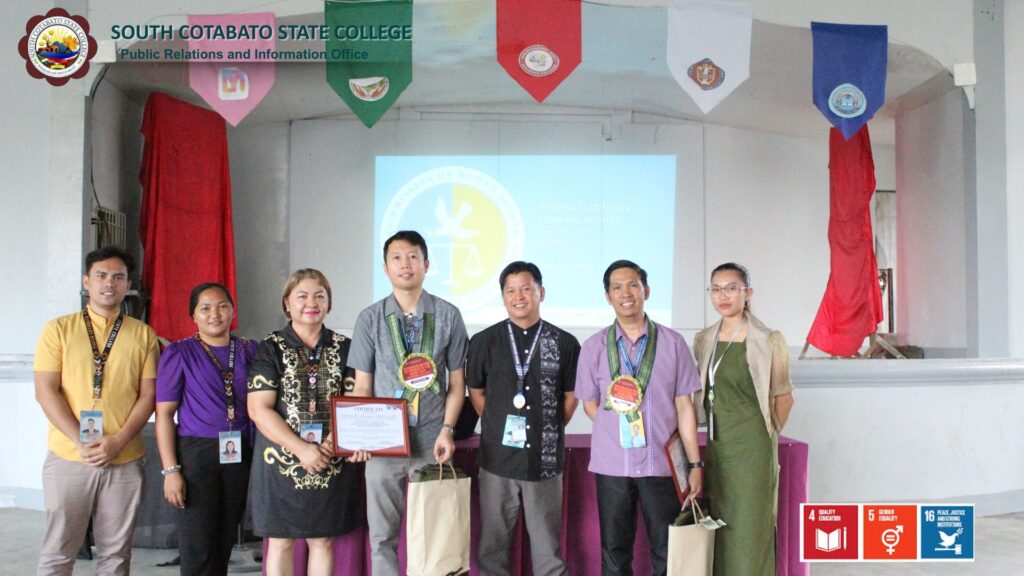
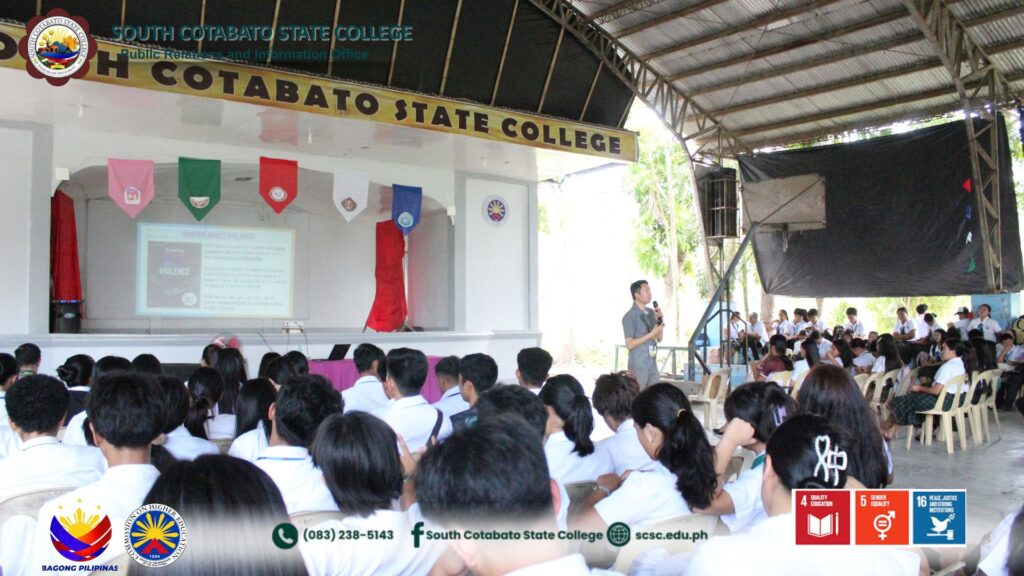
South Cotabato State College held an orientation on Republic Act 11053 or the Anti-Hazing Act, Republic Act 11313 or the Safe Spaces Act, and the Anti-Sexual Harassment Act at the College Gymnasium on February 9, 2026, in the afternoon.
ย 
The activity was conducted by the Commission on Human Rights and facilitated by the Office of Student Affairs and Services (OSAS) under the supervision of OSAS Director, Dr. Gerry J. Madriaga. The orientation aimed to strengthen studentsโ€™ awareness and understanding of laws that protect their rights, dignity, and welfare within and beyond the academic community.

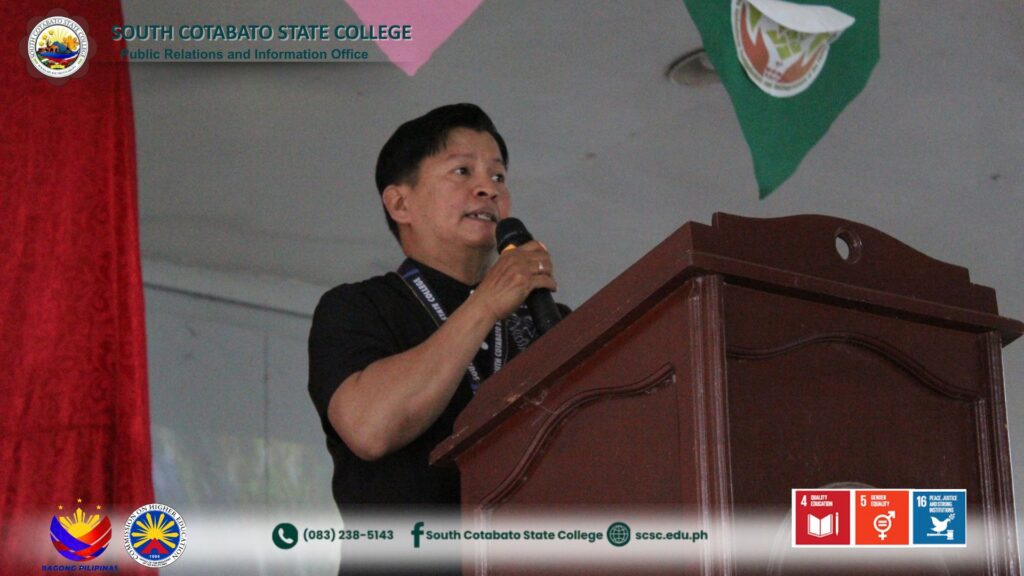
The program formally opened with welcome remarks from the BS Development Communication Program Chairperson, Dr. Jaime Boy U. Ngag Jr. In his message, he emphasized the importance of being knowledgeable about Republic Acts that safeguard individuals against abuse, harassment, and violence. He highlighted that awareness is a vital step in building a safe and respectful environment for everyone.

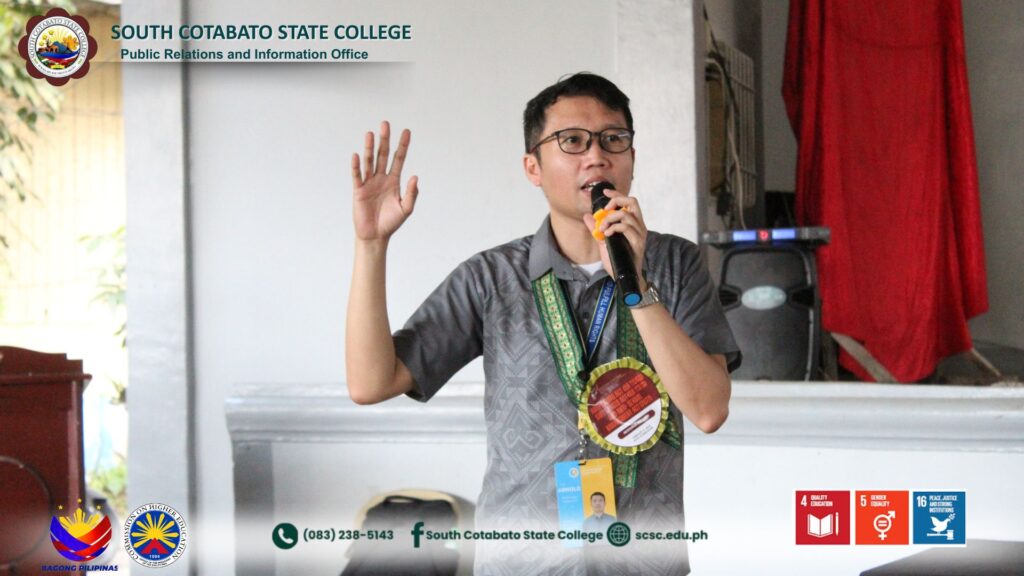
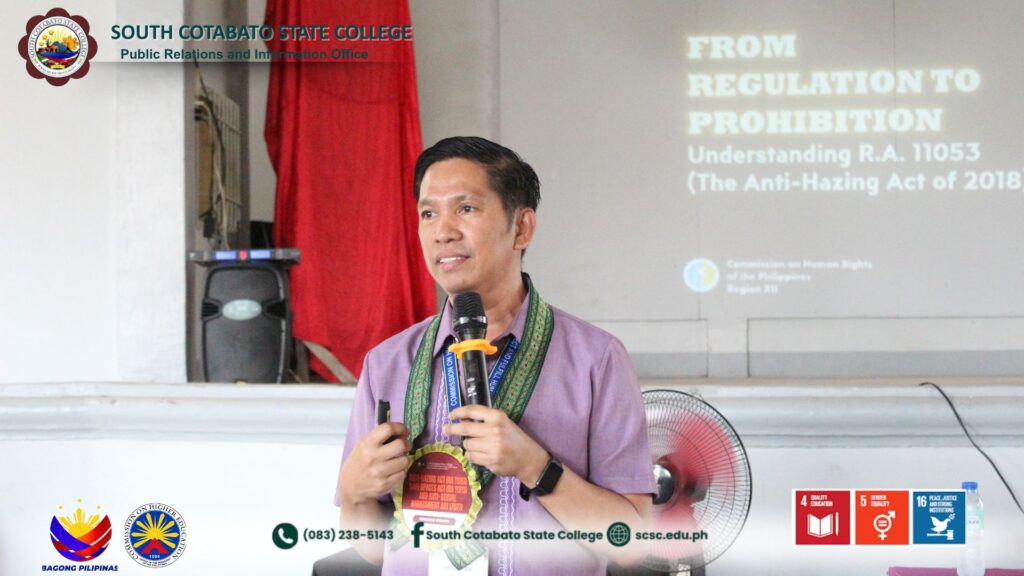
The first topic of the orientation was delivered by Sir Arnold B. Aumento, MBD, JD, who discussed the Safe Spaces Act and the Anti-Sexual Harassment Law. His discussion focused on identifying different forms of harassment in public spaces, schools, and online platforms, as well as the legal consequences for violators. This was followed by a discussion from Sir Loreto B. Condesa, MBA, JD, who oriented the participants on the Anti-Hazing Act. He explained the prohibited acts under the law, the liabilities of individuals and organizations involved, and the measures institutions must take to prevent hazing practices.

Through this orientation, students gained a deeper understanding of their rights and responsibilities, the legal protections provided by these laws, and the importance of promoting a culture of respect, safety, and accountability within the institution. The activity also supports the United Nations Sustainable Development Goals (SDGs), particularly SDG 4 (Quality Education), SDG 5 (Gender Equality), and SDG 16 (Peace, Justice, and Strong Institutions), by fostering a safe, inclusive, and rights-based academic environment.

Leave a Reply

Your email address will not be published. Required fields are marked *